.
.
3 minutes
Reliability is often reduced to a number. 99% uptime sounds impressive, easy to communicate, and easy to compare. But in production systems—especially in robotics—that number is the result of a much deeper, more complex set of decisions. Uptime is not a feature you add at the end. It is a property that emerges from how the entire system is designed, from infrastructure to control loops, from hardware orchestration to real-time feedback.
In real-world environments, variability is constant. Sensors fail, networks fluctuate, tasks deviate from expected paths. A system that simply works under ideal conditions is not reliable—it is fragile. True reliability comes from the ability to handle uncertainty without interruption.
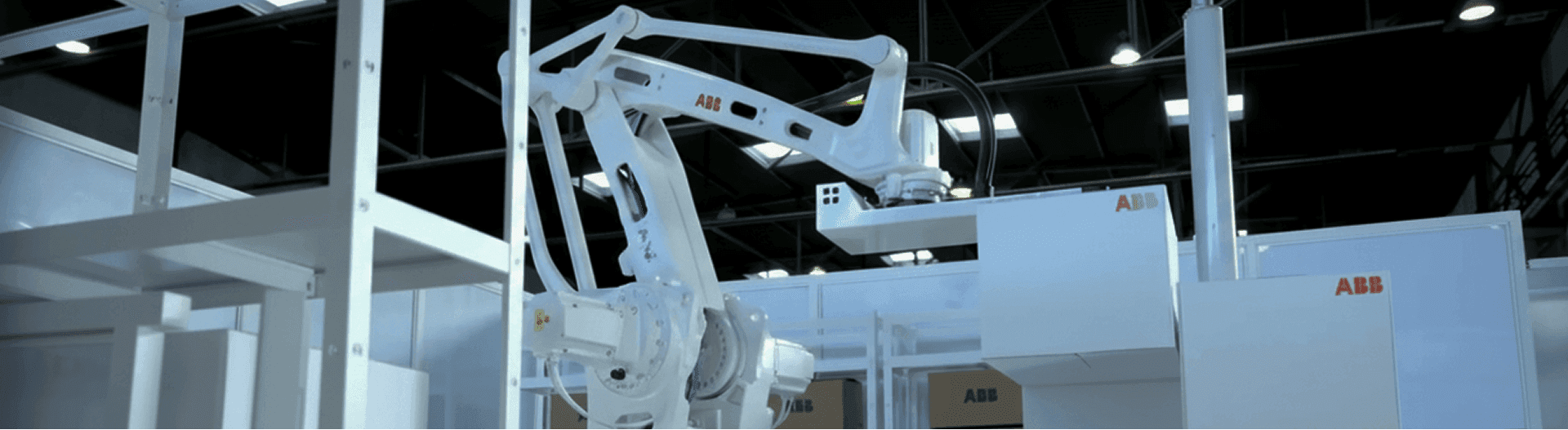
This is where fault tolerance becomes essential. Systems must anticipate failure modes and continue operating despite them. Redundancy is not inefficiency—it is resilience. Multiple pathways, fallback behaviors, and graceful degradation ensure that a single point of failure does not bring the system down.
Reliability is not about avoiding failure, but about designing systems that continue operating through it.
Continuous monitoring is another critical layer. Observability allows systems to detect anomalies early, respond in real time, and maintain stability under changing conditions. Without it, uptime becomes reactive rather than predictable.
Equally important is consistency. A system that works most of the time but behaves unpredictably under stress cannot be trusted in production. Predictable performance—knowing how the system will respond under different conditions—is what transforms uptime into something meaningful.
At Mbodi, reliability is approached as a system-wide discipline. It is built into every layer: how tasks are executed, how decisions are made, and how the system adapts to real-world input. The goal is not just to keep systems running, but to ensure they operate consistently, intelligently, and without interruption.
Because in production, uptime is not just a metric. It is the foundation of trust.
News